
The Allure of Risk-Taking
Casino gambling presents a unique psychological phenomenon where individuals are drawn to the thrill of risk. This attraction can be linked to the brain’s reward system, which releases dopamine, a neurotransmitter associated with pleasure and motivation, when we engage in risk-taking activities. The anticipation of a win stimulates feelings akin to excitement and euphoria, making it hard for many to resist the lure of the casino, especially with top trends like bitcoin online casinos.

This psychological response often creates a cycle of continued gambling behavior. With each small win, even if statistically insignificant, the player’s brain is rewarded, reinforcing the desire to gamble more. This is known as the ‘near-miss effect,’ where losing close to a win can motivate a gambler to try again, believing that success is just around the corner.
The Role of Cognitive Biases
Cognitive biases play a significant role in gambling decisions. One common bias is the illusion of control, where individuals believe they can influence outcomes in games of chance, such as roulette or slot machines. This illusion fosters a false sense of confidence, leading players to take risks they might not consider if they fully understood the randomness of the games.
Furthermore, confirmation bias can cause gamblers to focus on winning moments while dismissing losses. This selective memory supports the idea that they can ‘beat the odds,’ further enticing them to take risks in hopes of achieving that next big win. As a result, these cognitive distortions can cultivate an environment ripe for sustained gambling behavior.
Emotional Factors in Gambling
The emotional underpinnings of gambling are deeply intertwined with individual psychology. Many people turn to casinos as a form of escapism, seeking relief from stress, anxiety, or depression. The excitement of betting can temporarily overshadow these negative feelings, offering a brief reprieve from daily challenges.
Additionally, individuals may gamble to seek social connections or acceptance, feeling that engaging in this activity will bring them closer to peers or enhance their social status. This combination of emotional release and social dynamics contributes significantly to why people take risks in casinos, often leading to habitual gambling behavior.
The Impact of Environment on Gambling Behavior
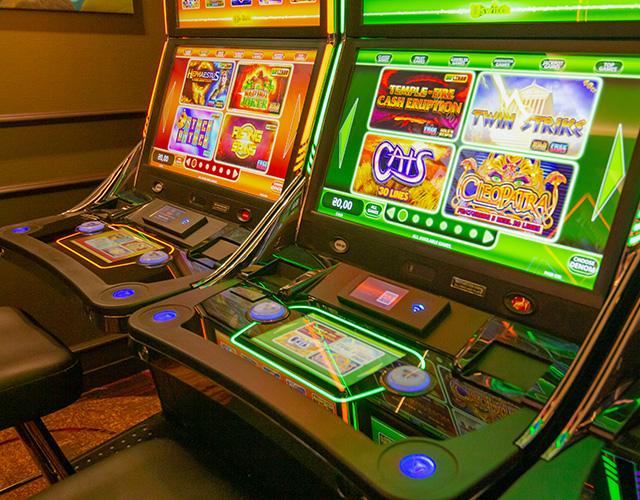
The casino environment itself is meticulously designed to encourage risk-taking. The bright lights, engaging sounds, and enticing aromas create an immersive experience that heightens the senses and stimulates the urge to play. This carefully crafted atmosphere fosters an emotional high that can lead to reckless decisions and increased risk-taking behavior.
Moreover, the availability of various gambling options can create a sense of urgency. With numerous games and machines at one’s disposal, players may feel compelled to try their luck continuously. The psychology of the casino is designed to keep individuals engaged, blurring the lines between casual gaming and compulsive gambling.
Ensuring Safe Gaming Practices
At our website, we emphasize the importance of maintaining a safe and secure gaming environment. Recognizing the psychological factors behind gambling can help individuals make more informed choices. We provide resources and support for responsible gambling, ensuring that players can enjoy the excitement of casinos while minimizing the risks associated with excessive play.
We are committed to fostering a secure online community focused on user safety. By understanding the motivations behind gambling, we encourage users to engage thoughtfully and responsibly, enhancing their overall experience while safeguarding their well-being.